A maintenance technician finishes repairs on a conveyor system. The machine hums back to life—except no one verified that every lock was removed by the right person. Seconds later, an injury occurs. This isn’t hypothetical. It happens when the lockout tagout removal form is treated as paperwork, not protocol.
The lockout tagout (LOTO) removal form is not a formality. It’s the last critical checkpoint before re-energizing equipment. It ensures every worker is clear, every lock is accounted for, and every control measure is reversed safely. Skip it, and you’re not just violating OSHA standards—you’re gambling with lives.
This guide breaks down the purpose, structure, and execution of the LOTO removal form, backed by real-world examples and operational insights.
What Is a Lockout Tagout Removal Form?
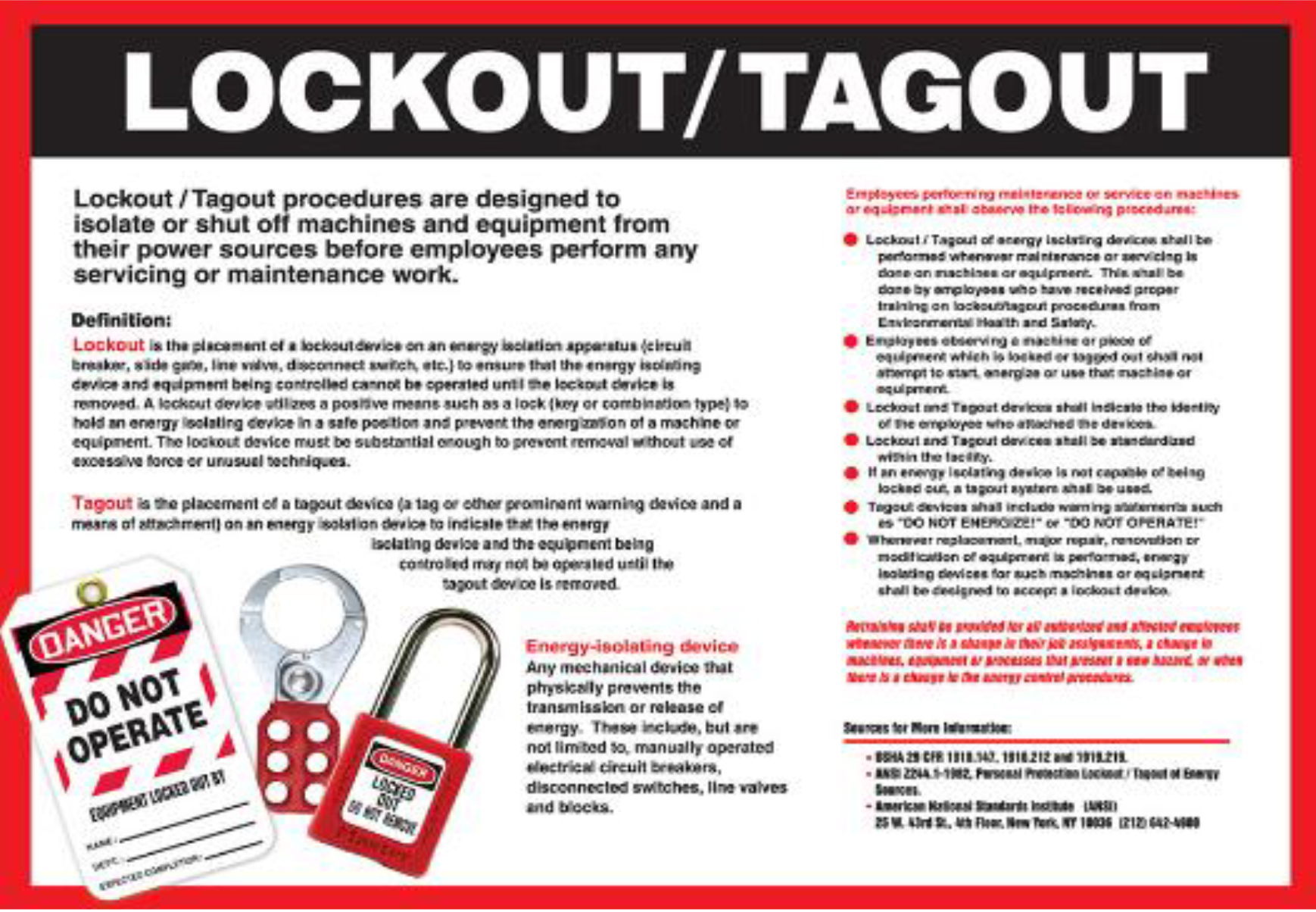
The lockout tagout removal form is a documented verification process used to confirm that all energy-isolating devices have been properly unlocked and re-energization can proceed safely. It’s the mirror image of the lockout application form—where one initiates isolation, the other terminates it.
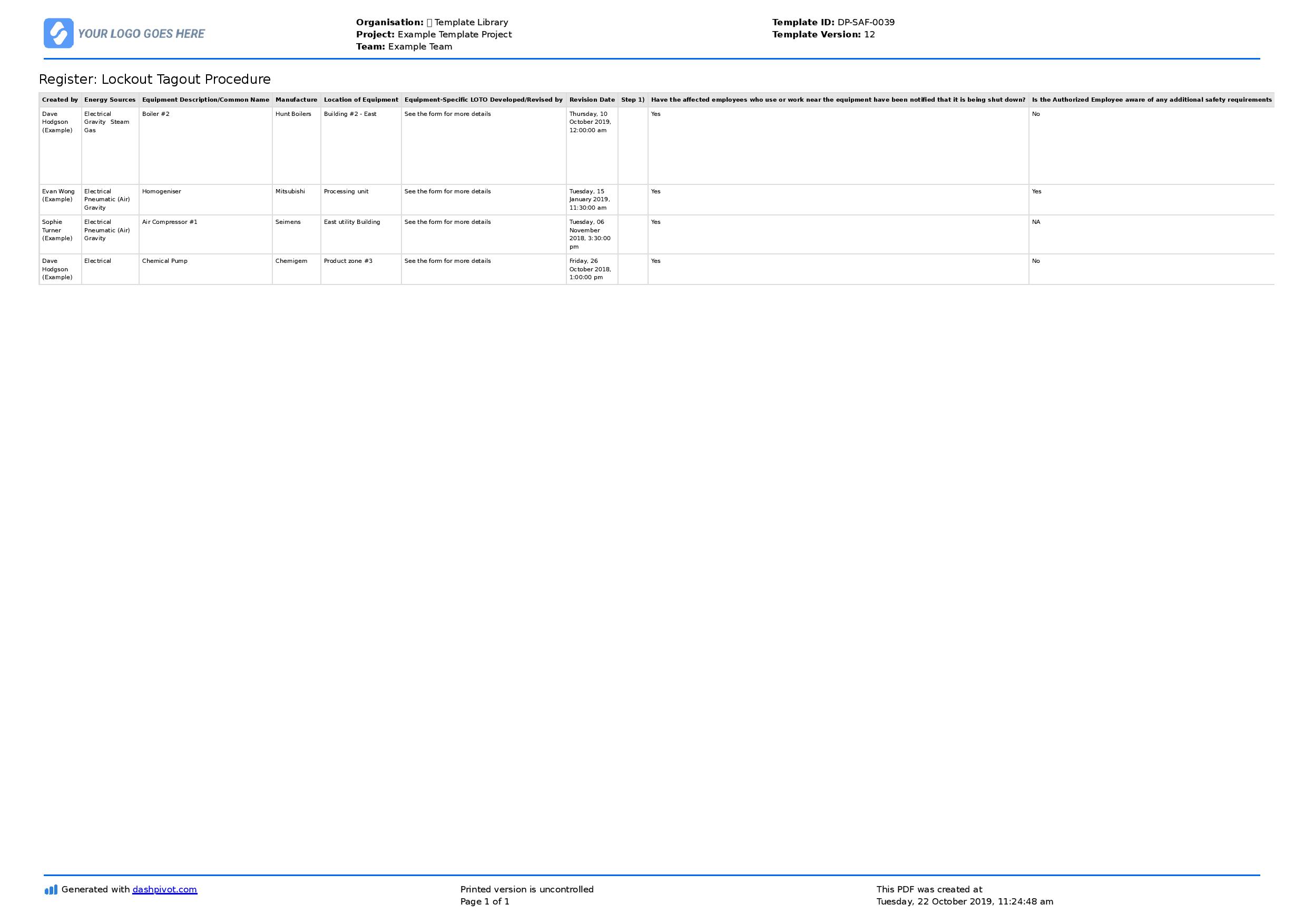
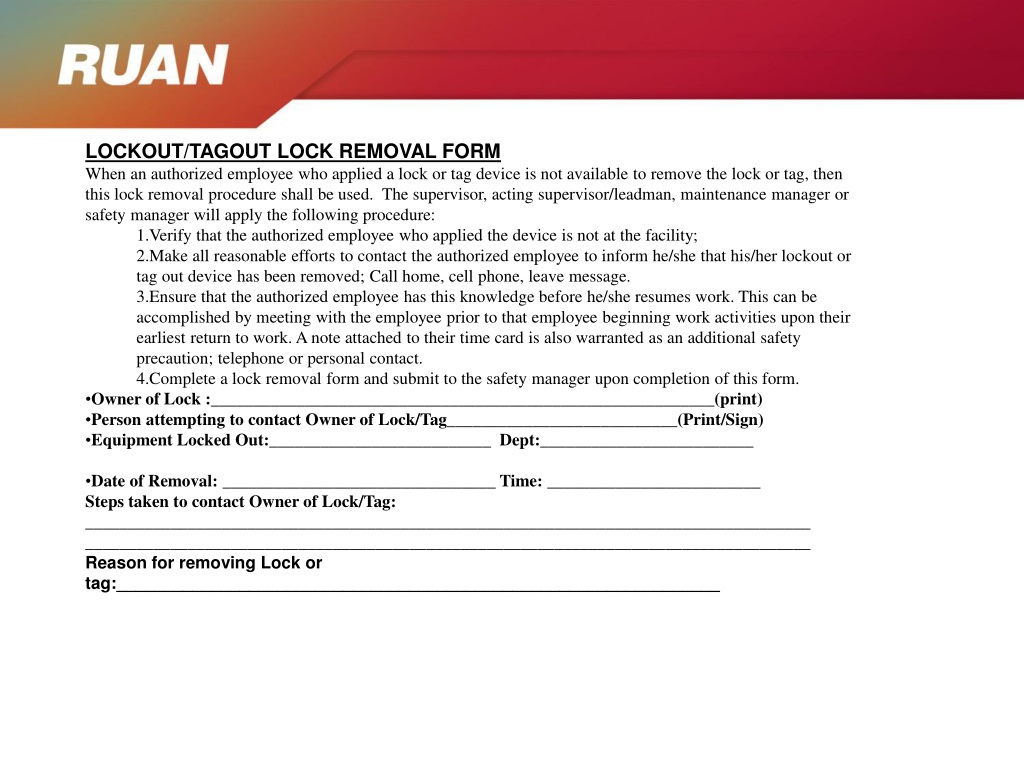
This form typically includes: - Names of authorized employees who applied locks - Equipment identification - Type of energy controlled (electrical, hydraulic, pneumatic, etc.) - Time and date of lock removal - Verification signature of the removing employee - Final sign-off by a supervisor or operations lead
Unlike general safety logs, the removal form is action-specific and time-sensitive. It’s not filed days later. It’s completed on-site, in real time, before the machine restarts.
Why the Removal Step Is More Dangerous Than Lockout
Most safety training emphasizes applying locks. But statistically, the removal phase carries higher risk. Why?
Workers Assume Safety Too Early An electrician removes their lock after completing motor repairs. They assume others are done too. But a hydraulics technician is still inside the system. Without a formal removal form, there’s no traceability.
Miscommunication During Shift Changes In 24/7 operations, lockout responsibilities often pass between shifts. A night technician might remove a lock applied by a day-shift worker who didn’t communicate the ongoing work.
Complacency in Routine Tasks On a packaging line that’s serviced weekly, teams may skip steps. “We’ve done this 50 times.” But the 51st time, a valve wasn’t fully closed. The removal form catches assumptions.
The removal form forces accountability. It answers: Who removed what? When? And—critically—were all hazards still controlled?
Key Elements of an Effective LOTO Removal Form
A strong removal form isn’t just a checklist. It’s a control mechanism. Here’s what must be included:
1. Equipment Identification Exact name, ID number, and location. Not “conveyor line” but “Main Line 3 – Conveyor Drive Motor (ID: CL3-MTR07).” Ambiguity kills precision.
2. List of All Applied Locks and Tags Each lock must be logged with: - Owner (employee name and ID) - Department - Lock number - Energy source controlled
This list is cross-referenced during removal.
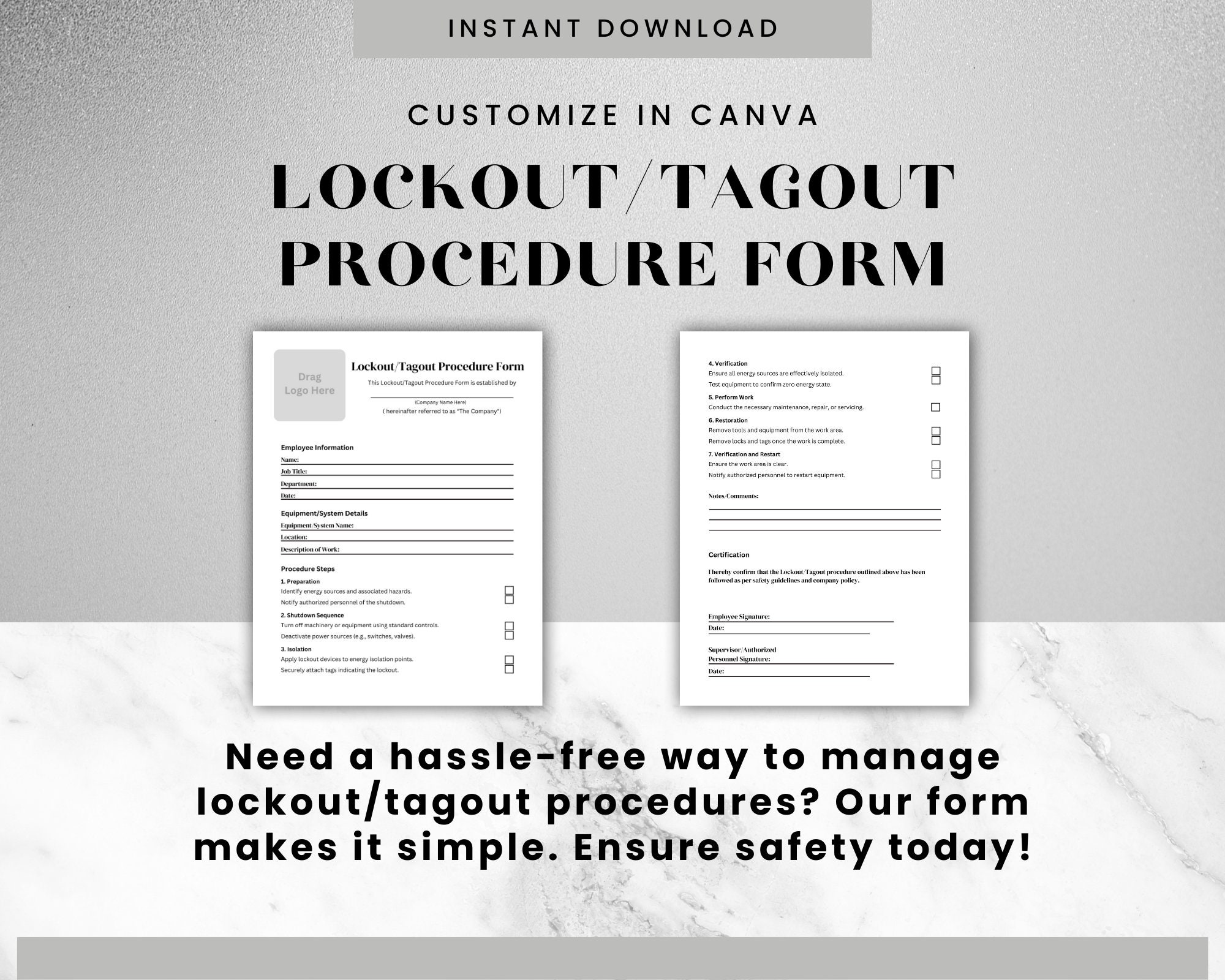
3. Removal Verification Section Each employee removes their lock and signs here. No proxy removals. No exceptions.
4. Final Clearance Check A supervisor or lead worker confirms:
- All tools are removed
- Guards are reinstalled
- Area is clear of personnel
- System is ready for testing
5. Sign-Off and Timestamp Digital or handwritten signature with exact time. This creates an auditable trail for OSHA or internal review.
Real-World Use Case: Removing Locks After Boiler Maintenance
A power plant shuts down a steam boiler for valve replacement. Four technicians apply locks on: - Main power disconnect (electrical) - Steam inlet valve (mechanical) - Fuel gas line (pipeline) - Control circuit (PLC isolation)
After 6 hours, work is complete. The team gathers for removal.
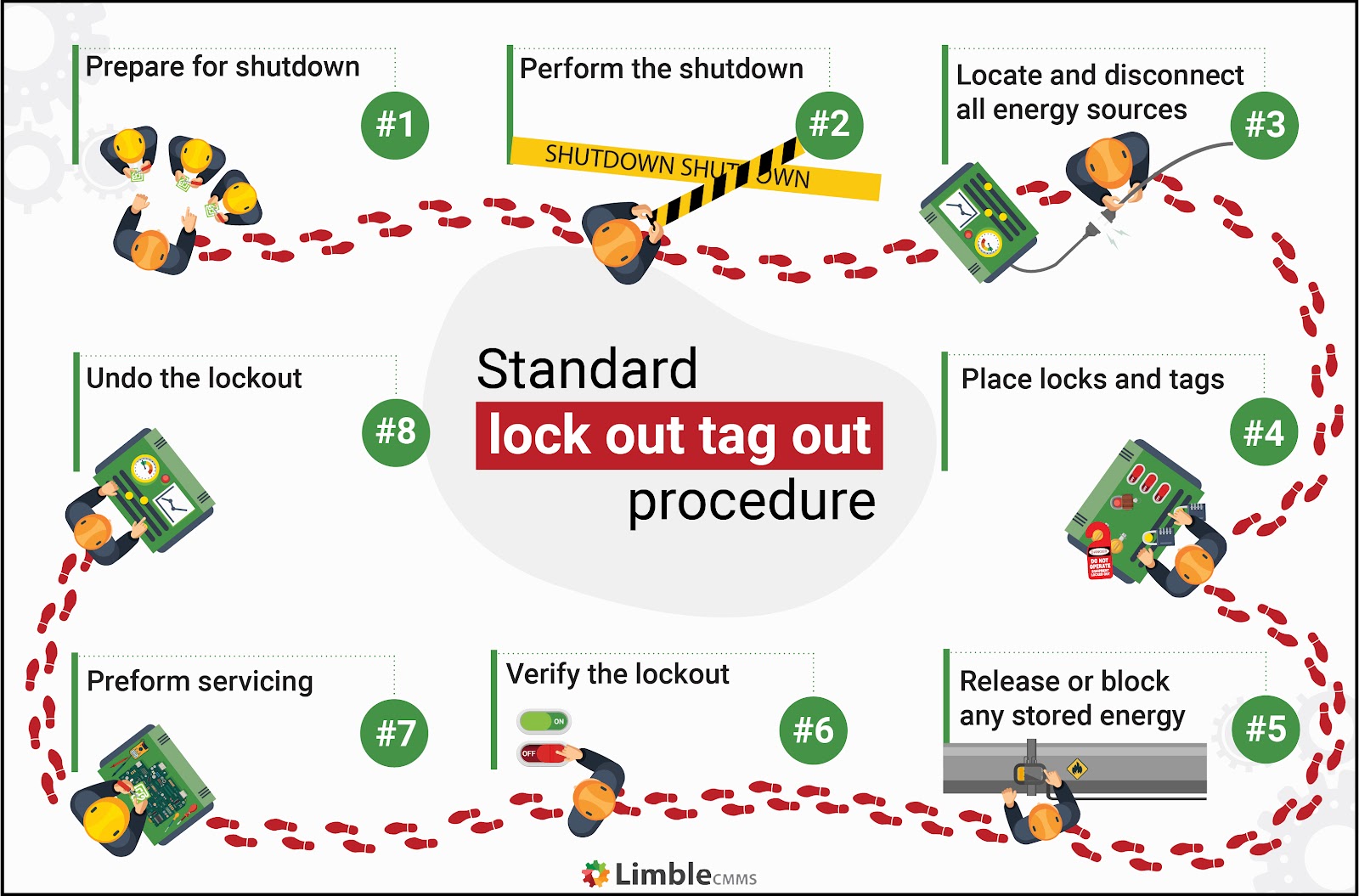
Step 1: Each technician inspects their work point. The electrical tech verifies the disconnect is still open. The mechanical tech confirms the new valve is seated and bolted.
Step 2: Using the LOTO removal form, each removes their lock in person and signs the log. The fuel line technician realizes their tag is missing. They halt the process. The form forces pause, not progress.
Step 3: Supervisors conduct a walk-through: no tools left inside, no loose fittings, insulation replaced.
Step 4: Final sign-off. The boiler is re-energized under controlled start-up procedures.
Without the removal form, one missing tag could have led to a catastrophic steam release during restart.
Common Mistakes That Undermine LOTO Removal
Even experienced teams make errors. These reduce the form’s effectiveness:
Mistake 1: Allowing Proxy Removal “John’s on break—just take his lock off.”
This violates OSHA 1910.147. Only the person who applied the lock can remove it—unless a formal transfer procedure is in place.
Mistake 2: Incomplete Documentation Signing without checking the equipment. A worker initials the form while walking to the break room. The form becomes fiction.
Mistake 3: Using Generic Forms One-size-fits-all LOTO forms fail. A forklift repair needs different checks than a CNC press. Tailor the removal form to the machine and energy type.
Mistake 4: No Integration with Work Orders If the removal form isn’t linked to maintenance software or CMMS, it’s isolated. Best practice: tie LOTO completion to job closure in systems like SAP or UpKeep.
How to Integrate the Removal Form Into Daily Operations
A form on paper is useless if it’s not embedded in workflow. Here’s how to make it operational:
Step 1: Train on Purpose, Not Procedure Don’t just teach “fill out the box.” Explain why each field matters. Use near-miss stories. Show OSHA violation fines—averaging $15,625 per violation.
Step 2: Use Lockout Kits
With Built-In Forms Provide laminated removal checklists clipped to lockout hasps. Include pens on tethers. Make access easy.
Step 3: Digitalize When Possible Use tablets or mobile apps for electronic sign-off. Systems like iAuditor or SafetyCulture allow photo evidence, GPS timestamps, and instant alerts if a step is skipped.
Step 4: Audit Random Removal Events Monthly Supervisors observe 2–3 removals per month. Not to catch errors, but to reinforce discipline. Feedback loops prevent drift.
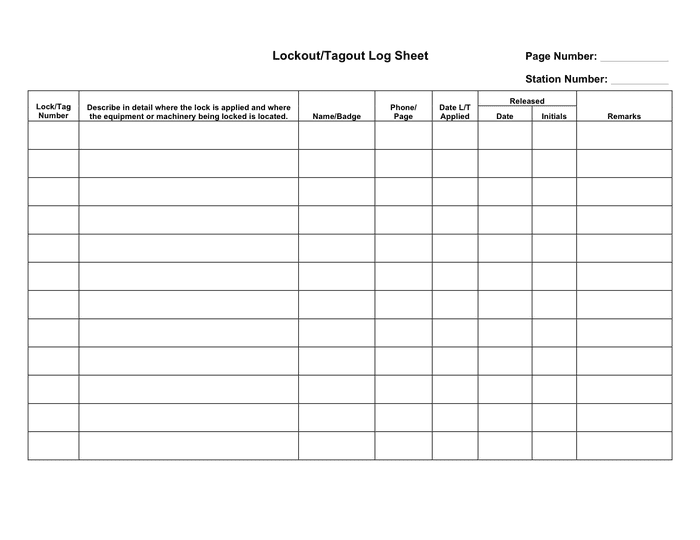
5 LOTO Removal Form Templates and Tools
While custom forms are best, these templates and platforms provide strong starting points:
| Tool | Key Features | Best For |
|---|---|---|
| OSHA Sample LOTO Form | Free, compliant with 1910.147 | Basic operations needing a baseline |
| Creative Safety Supply Template | Editable PDFs, visual fields | Visual learners and small teams |
| EHS Insight Platform | Digital workflows, cloud storage | Mid to large facilities with EHS teams |
| FaciLity4Safety LOTO Module | Equipment-specific forms, audit trails | Complex industrial sites |
| Google Workspace + PDF Editor | Customizable, low-cost | Teams building internal systems |
Choose based on your scale, but ensure every version includes personal accountability and verification steps.
The Human Factor: Building a Culture Around Removal Safety
Technology helps, but culture decides. Workers skip steps not because they’re careless, but because they’re pressured. “We’re behind schedule.” “The line’s down.”
Leaders must reframe the removal form as empowerment, not obstruction.
- Recognize teams that complete 100% compliant removals
- Share anonymized near-misses in safety meetings
- Let frontline workers co-design the form—ownership increases compliance
One auto plant reduced LOTO incidents by 72% in 18 months simply by letting technicians revise their removal checklist. They added a “last look” photo requirement using phones. Simple. Effective.
Final Check: Is Your LOTO Removal Process Air-Tight?
Before re-energizing any equipment, ask: - Are all locks accounted for on the removal form? - Did each employee remove their lock personally? - Is the work area physically clear? - Is there a signed, dated record? - Would this hold up in an OSHA inspection?
If any answer is “no,” stop. Reassess.
The lockout tagout removal form isn’t bureaucracy. It’s the final barrier between control and catastrophe. Treat it like the life-saving tool it is.
FAQ
What happens if someone forgets to remove their lock? If the employee is present, they must remove it themselves. If unavailable, a formal lock removal procedure—requiring management, safety officer, and verification—must be followed. Never cut a lock without authorization.
Can digital forms replace paper LOTO removal logs? Yes, if they provide equivalent or greater accountability—like biometric sign-in, timestamps, and audit trails. OSHA accepts electronic records if they’re secure and tamper-proof.
Who is authorized to sign the final removal form? Typically, a supervisor or lead authorized employee. Some sites require dual sign-off for high-risk systems.
Should contractors use the same removal form? Yes. Contractors must follow site-specific LOTO procedures. Their locks and tags must be included and verified on the same form.
How long should completed removal forms be kept? OSHA requires documentation of periodic inspections, but retention for removal forms varies. Best practice: keep for at least one year, or per internal policy.
Can multiple people use one removal form for a single machine? Yes—this is standard. The form should list every lock applied and track each removal individually.
Is a verbal check enough instead of a form? No. OSHA requires documentation of the lockout process. Verbal confirmation leaves no audit trail and is not compliant.
FAQ
What should you look for in Lockout Tagout Removal Form: A Complete Guide for Safety? Focus on relevance, practical value, and how well the solution matches real user intent.
Is Lockout Tagout Removal Form: A Complete Guide for Safety suitable for beginners? That depends on the workflow, but a clear step-by-step approach usually makes it easier to start.
How do you compare options around Lockout Tagout Removal Form: A Complete Guide for Safety? Compare features, trust signals, limitations, pricing, and ease of implementation.
What mistakes should you avoid? Avoid generic choices, weak validation, and decisions based only on marketing claims.
What is the next best step? Shortlist the most relevant options, validate them quickly, and refine from real-world results.