A technician reaches into a conveyor system for maintenance—only for the machine to unexpectedly power on. The result? Severe injury, downtime, and regulatory scrutiny. This scenario, far from rare, often traces back to one missing step: proper documentation via lock out tag out log sheets. These forms aren’t just paperwork—they’re legal records, accountability tools, and frontline defenses against catastrophic energy release.
Despite their simplicity, LOTO log sheets are consistently misused, skipped, or treated as afterthoughts. This article cuts through the noise, showing exactly how these documents function, where they fail, and how to implement them so they actually work in real-world settings.
What Are Lock Out Tag Out Log Sheets?
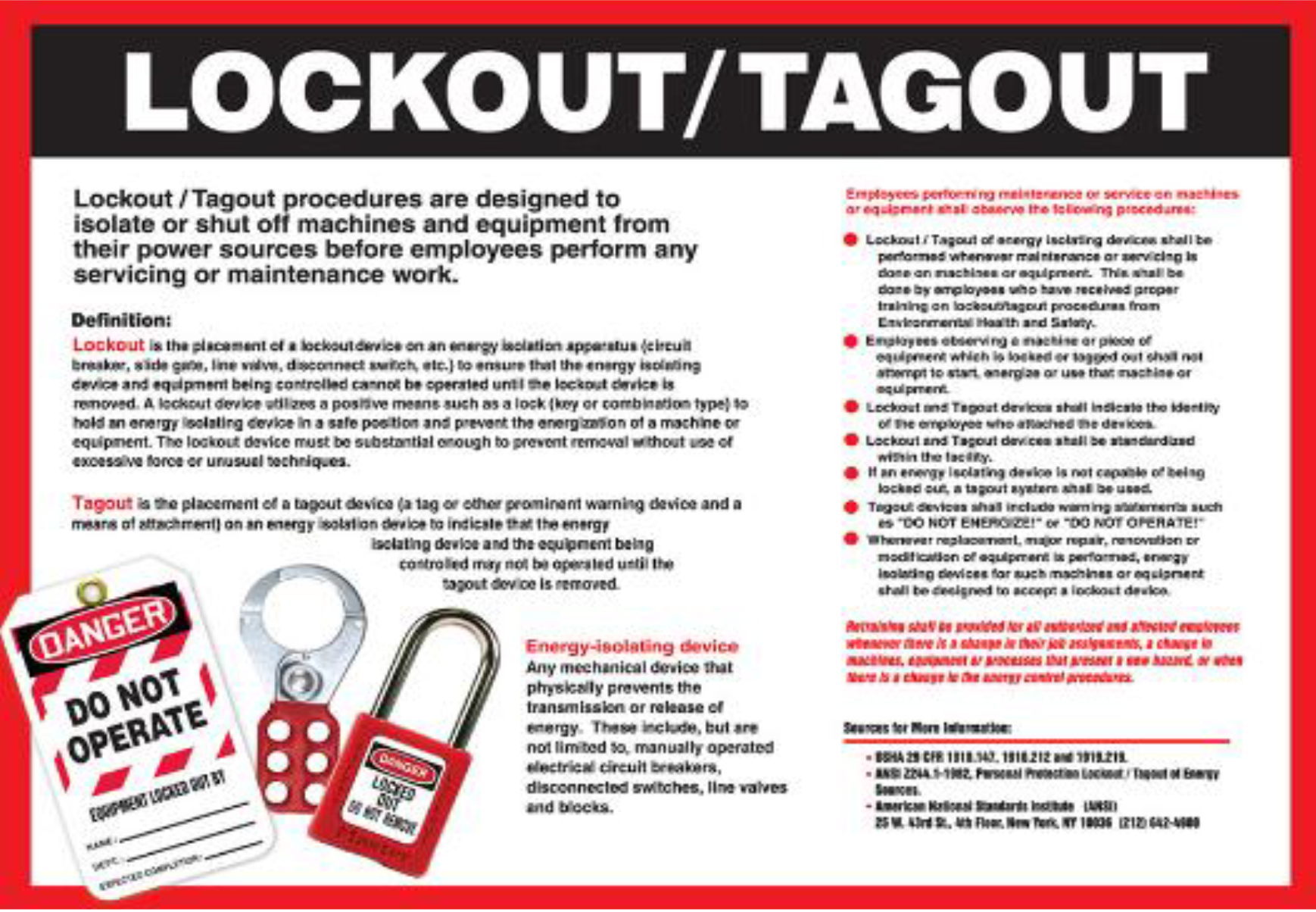
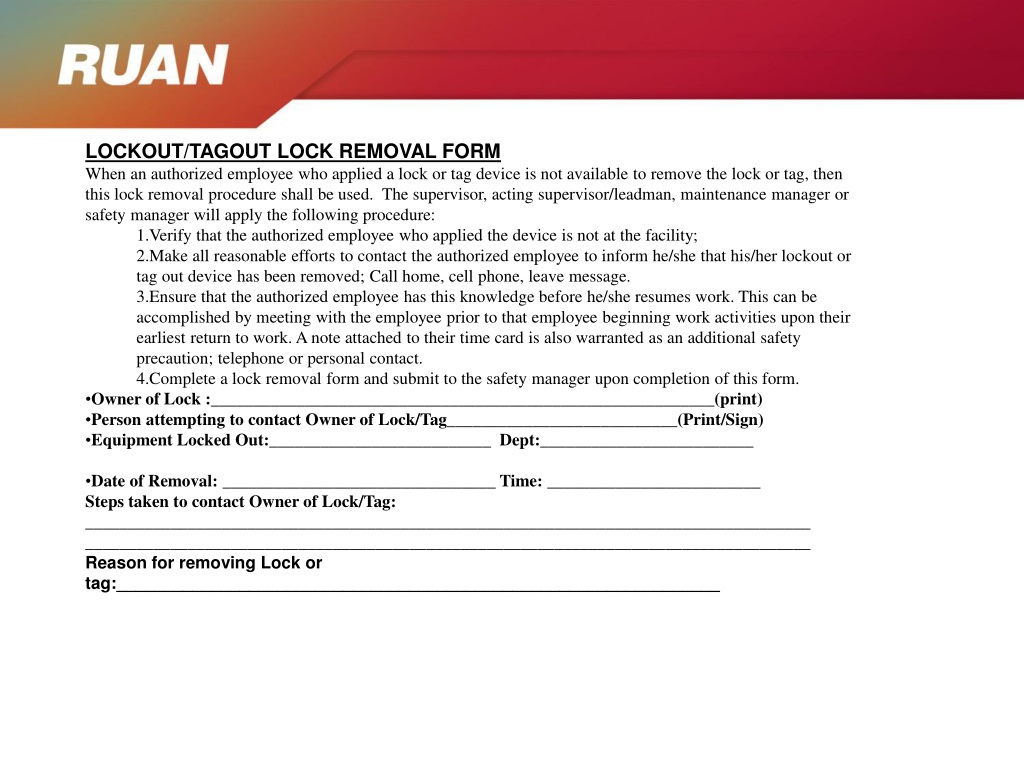
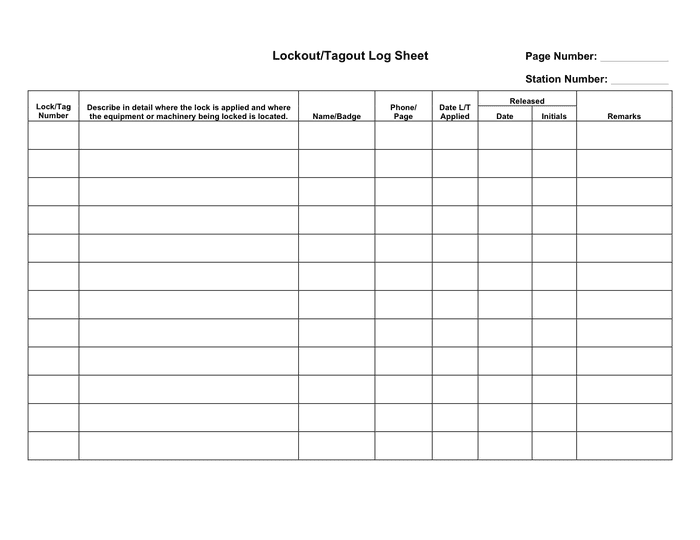
A lock out tag out log sheet is a formal record used during energy control procedures to document who locked out equipment, when, why, and what safeguards were applied. It serves as a chronological trail during maintenance, repair, or servicing of machinery that could release hazardous energy—mechanical, electrical, hydraulic, pneumatic, chemical, or thermal.
Unlike the physical locks and tags, the log sheet exists to provide oversight. It answers key questions: - Who initiated the lockout? - Which energy sources were isolated? - When was the equipment cleared for work? - Was verification performed?
This isn’t a formality. OSHA 1910.147 requires employers to document periodic inspections of energy control procedures—log sheets are the primary vehicle for meeting that obligation.
Key Components of a LOTO Log Sheet
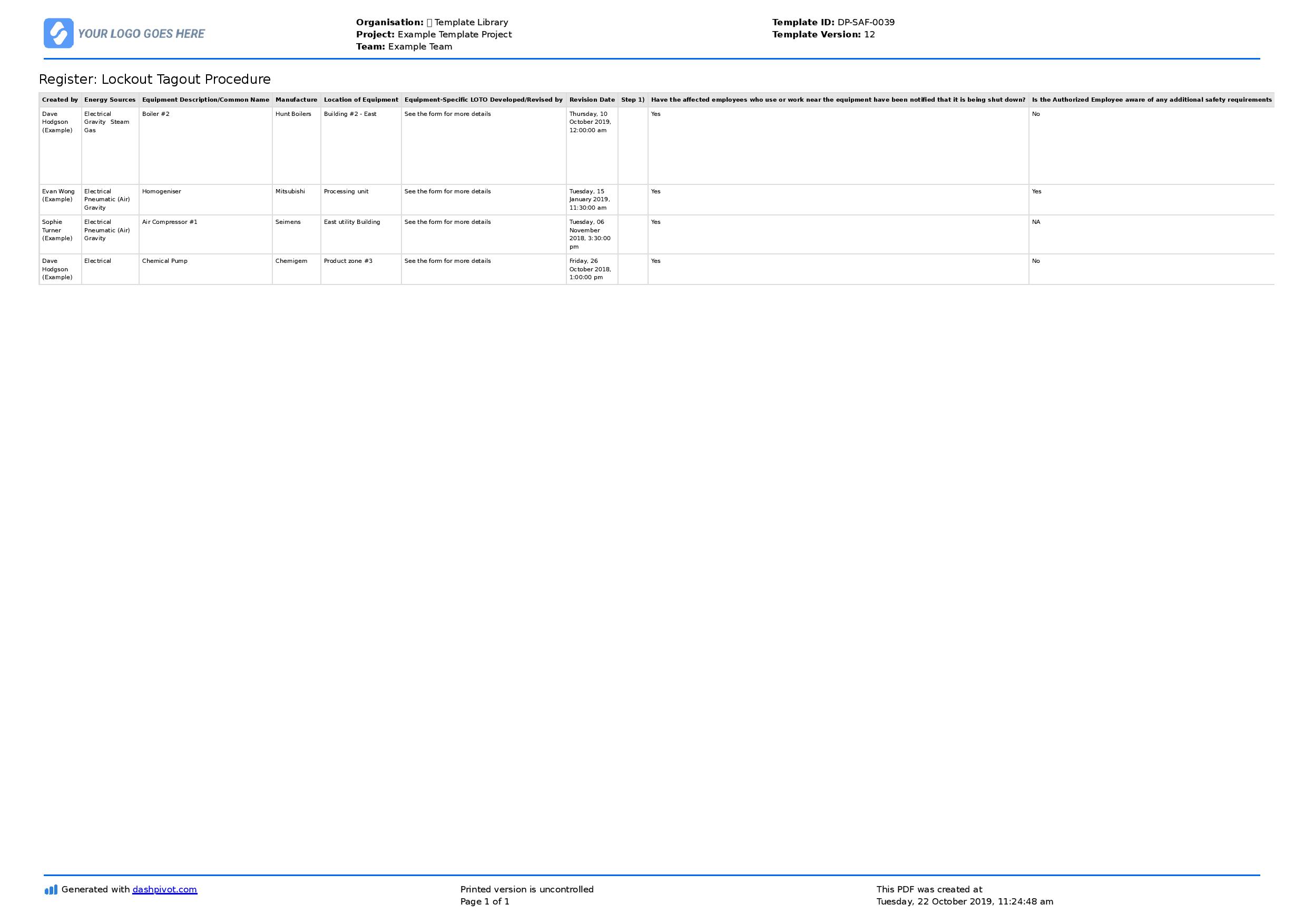
A well-designed log sheet includes: - Equipment ID: Name, number, or location of the machine - Date and Time: Start and expected end of lockout - Authorized Employee: Name, signature, department - Type of Energy Isolated: Electrical, hydraulic, etc. - Lock and Tag IDs: Unique identifiers for each device applied - Work Description: Brief scope of maintenance - Verification Step: Confirmation of zero energy state - Clearance and Removal Log: Who removed locks, when, and approval
Skip any of these, and the log loses legal and operational value.
Why Most LOTO Logs Fail in Practice
Many facilities use log sheets that look compliant but fail under real conditions. Here’s why:
1. Generic Templates with No Context A one-size-fits-all log used across all equipment ignores the nuances of different machines. Logging a forklift battery disconnect is not the same as isolating a 500-ton press.
Real-world mistake: A plant uses the same log for HVAC units and chemical reactors. A worker overlooks residual pressure because the form doesn’t prompt for it.
2. Poor Accessibility If the log is buried in a binder in an office, it won’t be used on the shop floor. If it’s digital but requires login on a distant terminal, it slows down the process—and people cut corners.
3. No Integration with Verification
Most logs ask for a “zero energy state” check but don’t require proof. A checkbox isn’t enough. Was voltage tested with a meter? Was pressure bled manually?
Without a space for initials, instrument reading, or witness signature, verification becomes a formality.
4. Lack of Accountability Trail
When multiple workers are involved, confusion arises over who removed which lock. If the log doesn’t list each person’s lock ID and removal time, group lockout scenarios become dangerous.
When and Where LOTO Logs Are Mandatory
OSHA doesn’t mandate a log sheet for every single lockout—but it does require documentation in specific cases:
- Periodic Inspections: At least annually, each energy control procedure must be inspected. The log sheet is often the only record proving this happened.
- Group Lockouts: Multiple employees working on one machine? The log must track each participant.
- Contractor Work: Outside technicians must be integrated into the host employer’s log to ensure coordination.
- Complex Shutdowns: Multi-step isolation on large systems (e.g., power plants, refineries) requires detailed sequencing—logs preserve this.
In high-risk industries like manufacturing, utilities, and chemical processing, LOTO logs are de facto mandatory for every significant servicing event.
Practical Use Case: Manufacturing Line Maintenance
- A packaging line needs motor replacement. The lead technician:
- Fills out the log with equipment ID, time, and work scope
- Lists three energy sources: electrical, pneumatic, and mechanical tension
- Applies personal lock, records lock ID, signs
- Verifies zero energy—tests circuit with meter, checks air lines
- Logs verification with initials and timestamp
- Supervisor reviews and signs off
- After work, each step is reversed and logged upon re-energization
The completed log is filed and reviewed during the annual audit. This isn’t compliance theater—it’s proof of due diligence.
How to Design an Effective LOTO Log Sheet
A good log sheet doesn’t just collect data—it guides behavior.
Must-Have Features
| Feature | Purpose |
|---|---|
| Pre-filled Equipment ID | Reduces errors, ensures correct form for machine |
| Multi-Row Entry for Locks | Tracks each authorized employee and their lock ID |
| Energy Source Checklist | Ensures all applicable hazards are addressed |
| Verification Section with Signature | Forces confirmation of zero energy state |
| Supervisor Approval Field | Adds oversight layer |
| Removal Log with Timestamps | Documents de-energization and clearance |
Design Tips
- Use carbonless duplicates: One stays on-site, one goes to safety office
- Print on water-resistant, tear-proof paper for shop environments
- Include QR codes linking to machine-specific LOTO procedures
- Leave space for notes—unexpected issues often arise mid-job
Avoid digital-only formats unless they’re tablet-based, offline-capable, and integrated with your CMMS (Computerized Maintenance Management System).
5 Real-World LOTO Log Sheet Templates You Can Use
Not all templates are created equal. Here are five reliable options across formats and industries:
1. OSHA-Compliant Universal LOTO Log (Free PDF)
- Best for: Small to mid-sized manufacturers
- Pros: OSHA-aligned, simple, printable
- Cons: Not machine-specific
- Source: OSHA.gov safety resources
2. EHS Pro LOTO Manager (Digital Platform)
- Best for: Large facilities with mobile workforce
- Pros: Cloud sync, audit trails, integration with safety software
- Cons: Subscription cost, learning curve
- Features: GPS tagging, photo uploads, automated reminders
3. DuPont Site-Specific LOTO Log
- Best for: Chemical and processing plants
- Pros: Built-in hazard ID checklist, PPE verification
- Cons: Overkill for simple machinery
- Use Case: Isolating reactors with residual chemical energy
4. Lockout-Tagout Buddy (Printable Kit)
- Best for: Maintenance teams without IT support
- Pros: Includes tags, locks, and laminated logs
- Cons: Physical storage required
- Bonus: Color-coded sections by energy type
5. Custom CMMS-Generated Logs
- Best for: Facilities using SAP, Maximo, or Fiix
- Pros: Auto-populates equipment data, tracks history
- Cons: Requires system setup and training
- Workflow Tip: Trigger log generation when work order is approved
Choose based on your operational scale, risk profile, and workforce capability. A paper log used consistently beats a fancy digital tool that sits unused.
Common Mistakes That Undermine LOTO Logs
Even with a good form, execution fails. These errors are pervasive:
❌ Using Pencil or Erasable Ink Logs are legal documents. Pencil can be altered. Use permanent pen.
❌ Backdating or Pre-Filling Common during rush jobs. This invalidates the record and violates OSHA intent.
❌ One Person Signs for the Team Only the individual who applies a lock should sign for it. Proxy signing defeats accountability.
❌ Storing Logs in Inaccessible Locations If the safety manager can’t retrieve a log during an audit or incident investigation, it might as well not exist.
❌ No Follow-Up Review Completed logs should be reviewed monthly by safety personnel to catch trends—like repeated issues on one machine.
Integrating Log Sheets Into Your Safety Workflow
A log sheet shouldn’t be a standalone event. It’s part of a sequence:
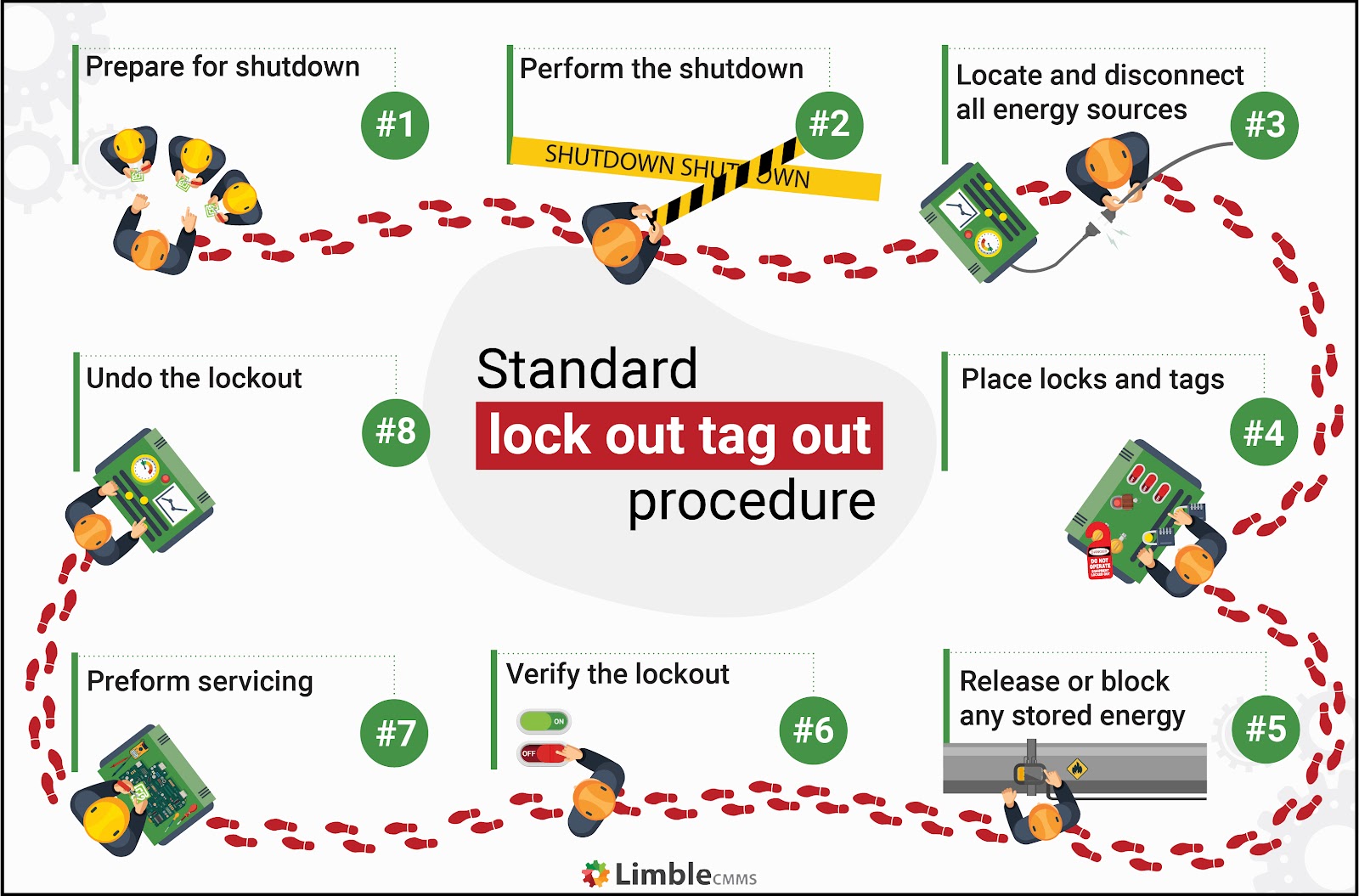
- Work Request Approved → 2. LOTO Procedure Retrieved → 3. Log Sheet Issued → 4. Lockout Executed + Logged → 5. Verification Performed → 6. Work Completed → 7. Log Finalized and Archived
Build this into your standard operating procedures. Train supervisors to audit logs weekly, not just when OSHA calls.
Pro Tip: Pair log sheets with a “LOTO Board” in the maintenance bay—physical or digital—showing active lockouts in real time. Prevents accidental energization during shift changes.
The Bottom Line: Don’t Treat LOTO Logs as Paperwork
Lock out tag out log sheets are not clerical tasks. They’re control points in a life-saving system. When filled correctly, they: - Protect workers from injury - Shield companies from liability - Provide evidence during audits - Reveal weaknesses in maintenance processes
A blank or incomplete log sheet is a red flag. A detailed, signed, properly archived one is proof of a culture that values safety over speed.
Equip your team with the right tools, train them on real scenarios, and audit execution—not just the form. Because the next time a machine starts unexpectedly, the log sheet might be the only thing standing between a close call and a tragedy.
Frequently Asked Questions
What is the purpose of a lock out tag out log sheet? It documents who locked out equipment, when, and how, ensuring accountability and compliance during maintenance.
Do all LOTO procedures require a log sheet? Not every single lockout, but OSHA requires documentation for periodic inspections and complex or group lockouts.
Can LOTO log sheets be digital? Yes, as long as they’re secure, tamper-proof, accessible during maintenance, and meet recordkeeping requirements.
Who is responsible for filling out the LOTO log? The authorized employee performing the lockout is responsible for completing their section.
How long should LOTO logs be kept? At least one year, but longer for high-risk industries—many keep them for 3–5 years for audit and liability purposes.
Should contractors use your LOTO log? Yes. Contractors must be included in your energy control procedure and log to ensure coordination.
What happens if a LOTO log is incomplete? It may invalidate compliance, increase liability during incidents, and result in OSHA citations.
FAQ
What should you look for in Lock Out Tag Out Log Sheets: Why They Matter and How to Use Them? Focus on relevance, practical value, and how well the solution matches real user intent.
Is Lock Out Tag Out Log Sheets: Why
They Matter and How to Use Them suitable for beginners? That depends on the workflow, but a clear step-by-step approach usually makes it easier to start.
How do you compare options around Lock Out Tag Out Log Sheets: Why They Matter and How to Use Them? Compare features, trust signals, limitations, pricing, and ease of implementation.
What mistakes should you avoid? Avoid generic choices, weak validation, and decisions based only on marketing claims.
What is the next best step? Shortlist the most relevant options, validate them quickly, and refine from real-world results.