Every year, preventable machinery accidents occur because energy sources aren’t properly isolated during maintenance. Workers assume a machine is off—only to be injured when an unexpected startup releases stored energy. The solution isn’t guesswork. It’s a documented, actionable lockout tagout plan template that turns safety policy into real-world protection.
A strong LOTO plan doesn’t just check a regulatory box. It eliminates confusion, standardizes procedures, and ensures every technician knows exactly how to isolate energy sources safely. This article delivers a working lockout tagout plan template, built for real facilities, with practical structure, common pitfalls to avoid, and implementation tips you won’t find in generic OSHA handouts.
Why Most Lockout Tagout Plans Fail
Many organizations adopt boilerplate LOTO templates straight from compliance websites—only to find them gathering dust in binders. The core issue? Lack of alignment with actual equipment, roles, and workflows.
Common failures include:
- Generic steps that don’t reflect machine-specific energy sources (e.g., assuming all presses use only electrical energy when hydraulic or pneumatic systems are involved).
- Unclear responsibilities—who authorizes lockout? Who verifies isolation?
- No training integration, so employees follow outdated or self-taught methods.
- Missing verification steps, such as testing for zero energy before beginning work.
A functional LOTO plan template must go beyond compliance mimicry. It needs to be living, specific, and easy to follow under pressure.
Essential Components of a Lockout Tagout Plan Template
Your template should standardize the process while allowing customization per machine or process. Include these elements:
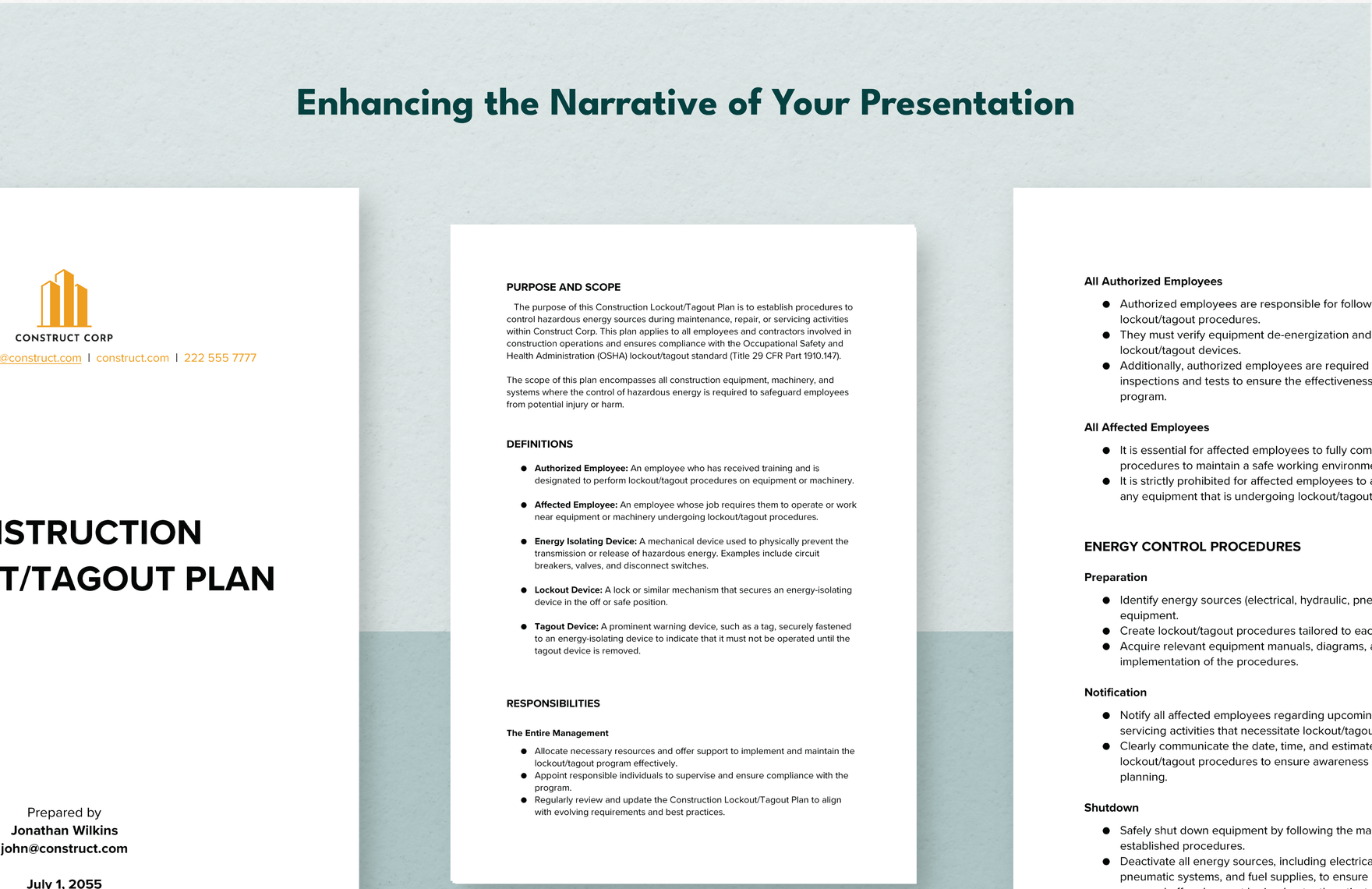
#### 1. Purpose and Scope Clearly state the goal: to control hazardous energy during servicing or maintenance. Define which equipment, departments, and employees are covered.
Example: "This plan applies to all maintenance activities on production line machinery in the assembly and packaging departments, including electrical, hydraulic, pneumatic, and mechanical energy sources."
#### 2. Roles and Responsibilities Define who does what. At minimum, identify:
- Authorized Employees: Trained personnel who implement LOTO.
- Affected Employees: Operators who use the equipment but don’t service it.
- Supervisors: Oversee compliance and training.
- Safety Officers: Audit and update procedures.
Use a simple table format in your template:
| Role | Responsibility |
|---|---|
| Authorized Employee | Applies locks, verifies isolation, removes devices |
| Affected Employee | Recognizes LOTO, does not operate locked equipment |
| Supervisor | Ensures training, reviews procedures annually |
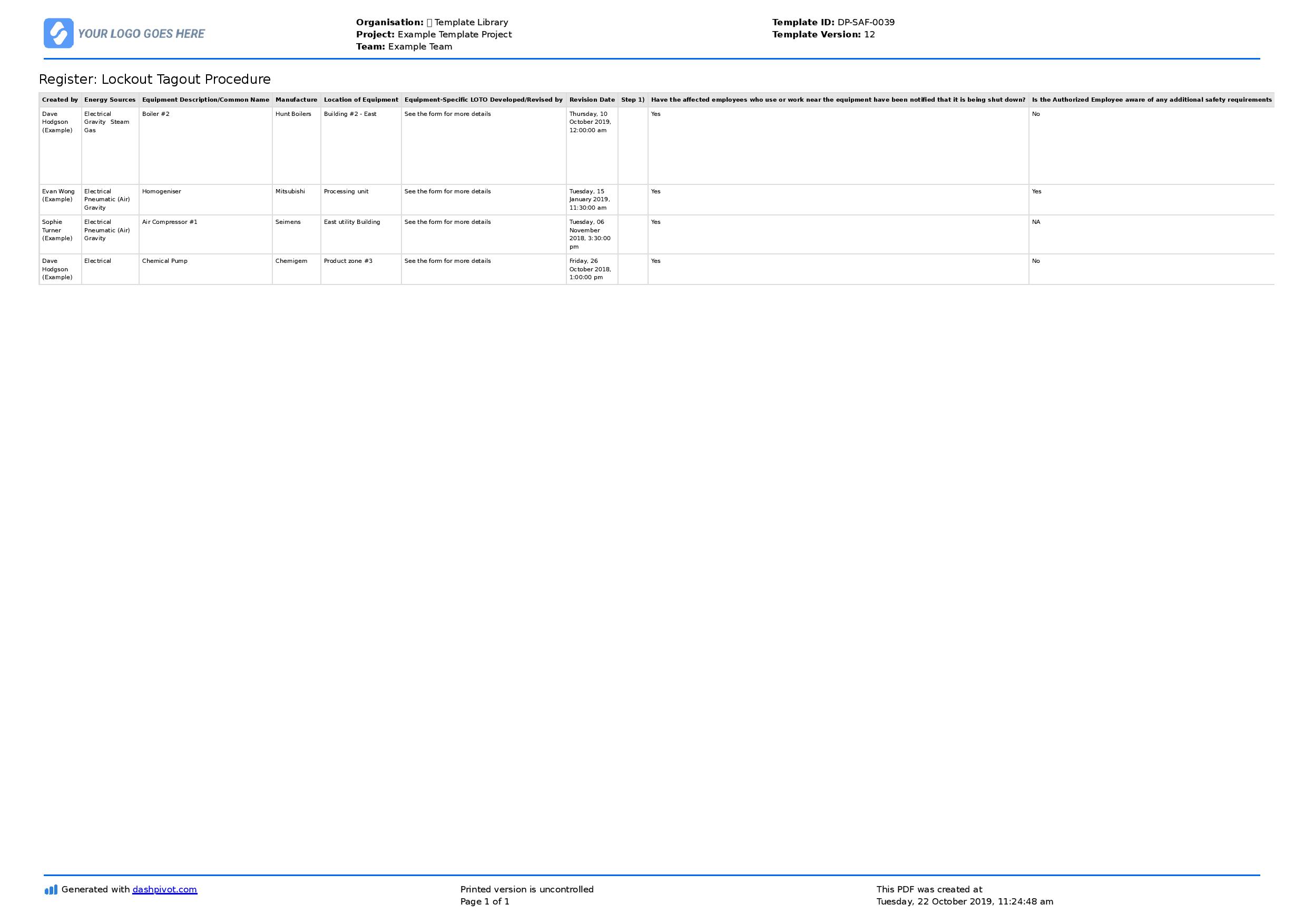
#### 3. Energy Source Inventory List all equipment types and their energy sources. This is where most templates fall short—they don’t force specificity.
Bad Example: "Lock out conveyor system."
Strong Template Field: "Conveyor Model X2000: - Primary: 480V electrical (disconnect at MCC Panel 3B) - Secondary: Accumulated tension in drive belt (relieve via tension release lever) - Stored: Pneumatic pressure in line (bleed via manual valve on side panel)"
This level of detail prevents oversight.
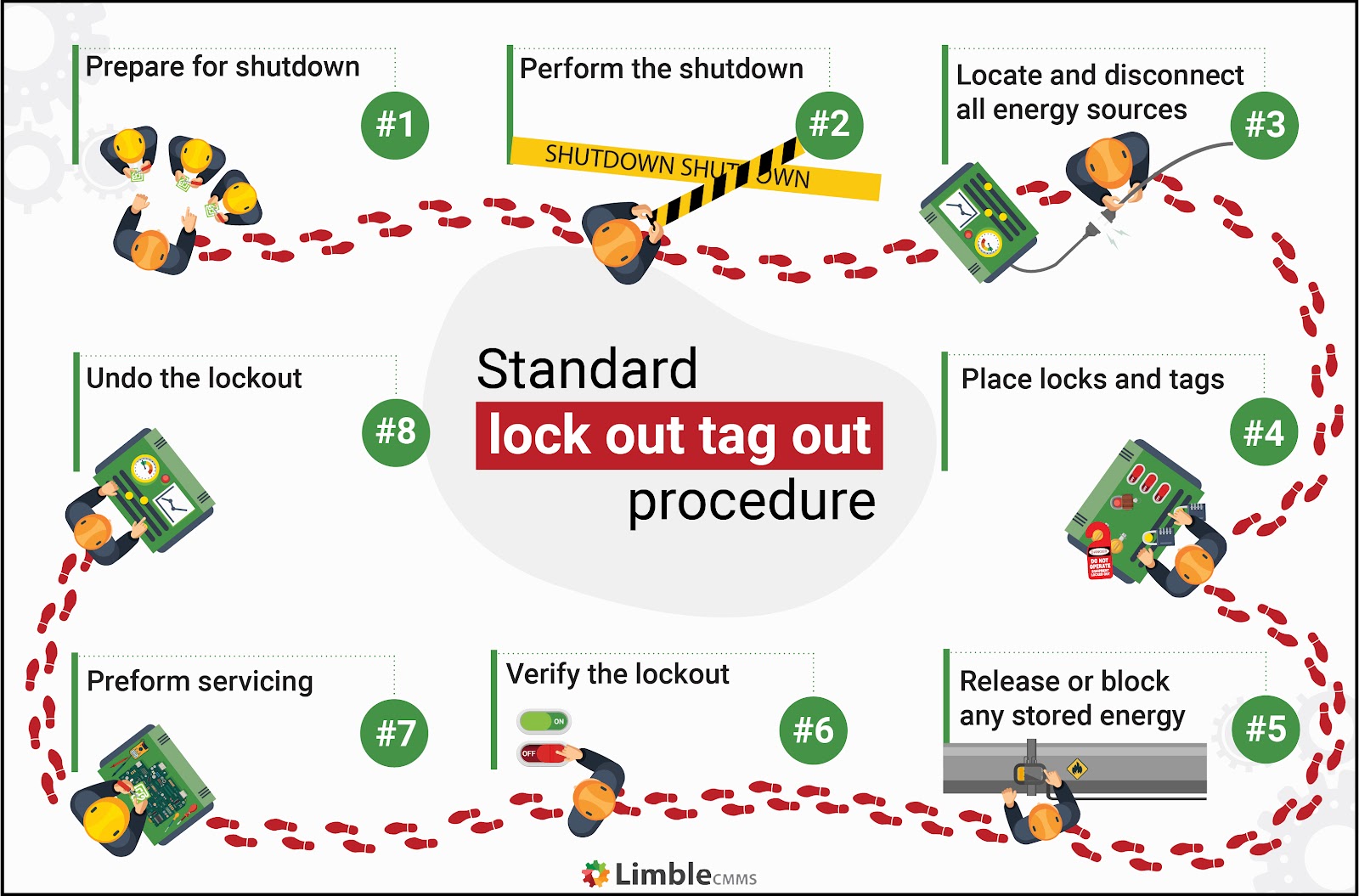
#### 4. Step-by-Step Procedures For each machine or process, define a numbered LOTO sequence. Your template should standardize the format:
- Notify affected employees.
- Shut down equipment using normal controls.
- Isolate all energy sources (list disconnects/valves).
- Apply lockout devices (specify type: keyed padlock, hasp, valve lock).
- Release or dissipate stored energy.
- Verify isolation (attempt to start equipment, confirm no movement).
- Begin maintenance.
- Restore: Remove tools, re-energize in reverse order, notify team.
Add space in the template to attach diagrams or photos of isolation points.
#### 5. Training and Certification Your plan must outline initial and annual retraining. Include a log template for:
- Employee name
- Date trained
- Equipment covered
- Trainer signature
Without documented training, OSHA considers the program invalid.
#### 6. Periodic Inspection Mandate audits—at least annually—where a supervisor observes an authorized employee performing LOTO and verifies all steps are followed.
The template should include a checklist for auditors:
- Was shutdown performed correctly?
- Were all energy sources isolated?
- Was stored energy controlled?
- Was zero-energy state verified?
How to Customize the Template for Your Facility
Start with high-risk equipment: presses, conveyors, mixers, or any machine with multiple energy sources. Use this workflow:
- Walk the floor with maintenance techs and supervisors.
- Map energy sources per machine—don’t rely on manuals alone.
- Draft one procedure using your template.
- Test it live during a planned maintenance window.
- Adjust based on feedback and timing.
- Scale to other equipment.
Pro Tip: Label isolation points with durable tags (e.g., “Electrical Disconnect – LOTO Point #7”) so technicians can match them to the procedure.
Avoid the mistake of treating LOTO like a paperwork exercise. The real value is in making the process fast, obvious, and foolproof.
Common Mistakes in LOTO Plan Implementation
Even with a solid template, errors creep in:
- Using tags without locks – Tagout alone is less reliable. OSHA allows it only if a lock can’t be used, and additional safety measures are required.
- Group lockout confusion – When multiple people work on one machine, each must apply their own lock. The template should include a group LOTO section with a master lockbox.
- Skipping verification – Never assume isolation worked. Always test the controls.
- Poor device quality – Flimsy locks or faded tags increase risk. Specify industrial-grade hardware in your plan.
Real-World Case: A technician was injured when replacing a bearing on a mixer. The LOTO procedure only mentioned electrical isolation. The team missed that residual rotational energy in the flywheel could release. The updated plan now includes a 10-minute cooldown and manual brake engagement.
Your template should prompt users to answer: What could still hurt someone?
Digital Tools to Support Your LOTO Plan
While the OSHA standard doesn’t require digital systems, modern tools can make your template easier to deploy and audit.
Here are 5 practical options:
| Tool | Key Feature | Best For |
|---|---|---|
| FEMA LOTO Manager | Cloud-based procedure builder with mobile access | Mid to large facilities needing version control |
| EHS Insight | Integrated LOTO with audit and training tracking | Companies using full EHS platforms |
| LockOut/TagOut Buddy (App) | Step-by-step mobile guidance with photo logs | Field teams without constant PC access |
| ProcessMAP | Workflow automation and digital inspections | Organizations focused on compliance reporting |
| PaperTrail | Digital forms for LOTO logs and audits | Facilities transitioning from paper |
These aren’t replacements for your plan—they enhance it. Use them to store your template, push updates, and verify compliance.
Integrating Your Template into Daily Operations
A LOTO plan only works if it’s used. Embed it into existing workflows:
- Pre-job briefings: Reference the LOTO procedure for that task.
- Maintenance scheduling software: Link each work order to its LOTO protocol.
- Shift handover logs: Note if equipment is under lockout.
- Safety meetings: Review near misses or audit findings.
Make the plan accessible—print laminated copies near machines or host them on a company intranet.
Supervisors should spot-check compliance weekly, not wait for annual audits. Small corrections prevent big accidents.
Final Template Checklist Before Rollout
Before distributing your lockout tagout plan template, verify it includes:
✅ Specific procedures for at least 80% of high-risk equipment ✅ Clear role definitions with accountability ✅ Energy source details (not just “electrical”) ✅ Verification step in every procedure ✅ Training and audit logs ✅ Group lockout guidance ✅ Machine-specific diagrams or photos
If it reads like a generic PDF from 2003, it won’t protect anyone. If it reflects your floor, your people, and your risks, it becomes a tool for preventing injuries.
Use the structure in this article to build or fix your lockout tagout plan template. Start with one machine. Test it. Improve it. Scale it. Safety isn’t about perfection on day one—it’s about progress, clarity, and consistency. Your team deserves a plan that works when it matters most.
Frequently Asked Questions
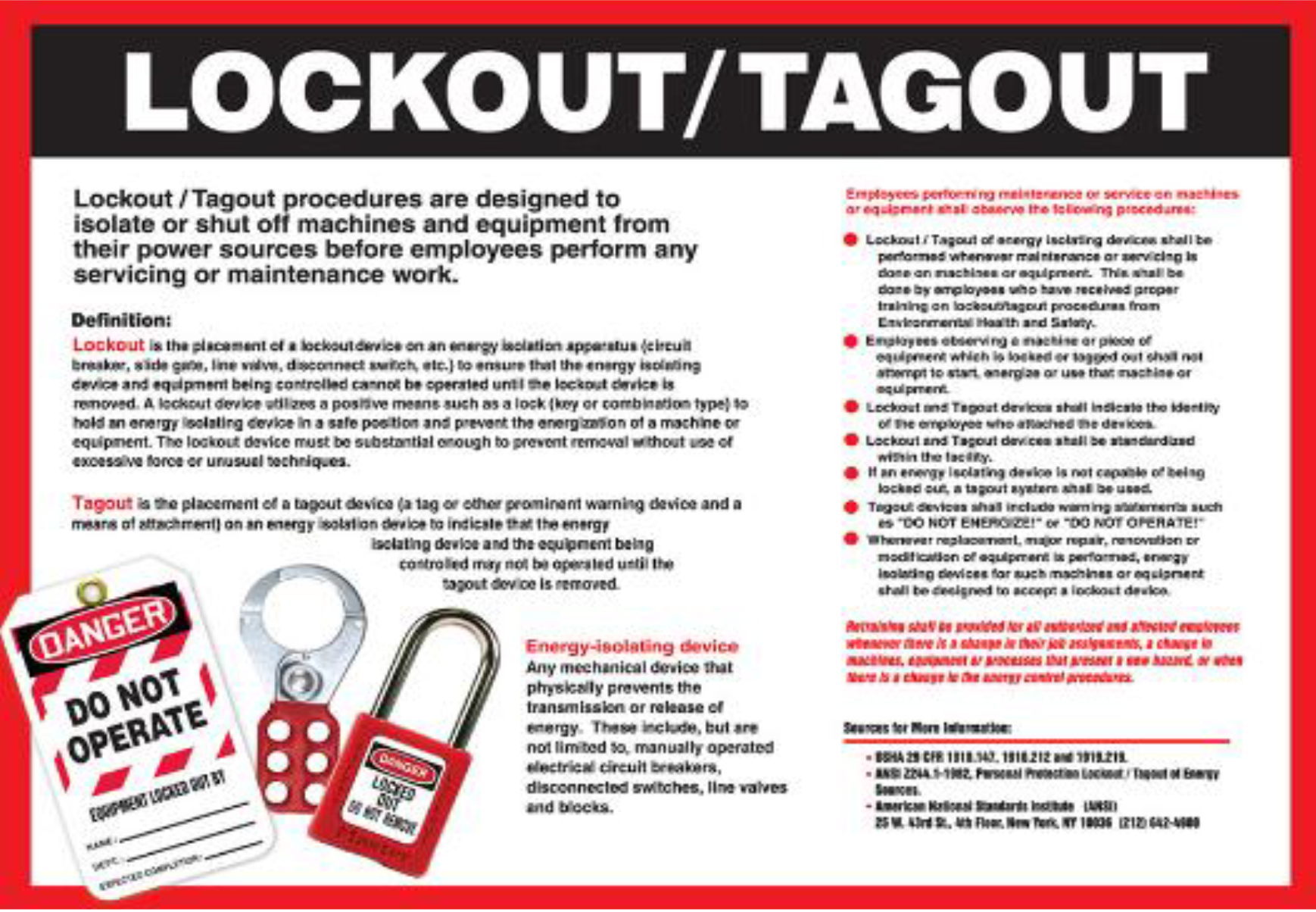
What is the difference between lockout and tagout? Lockout uses physical devices (like padlocks) to prevent energy release, while tagout uses warning tags. Lockout is preferred; tagout requires extra safety measures if locks can’t be used.
Who needs to be trained on the LOTO plan? Authorized employees (who perform maintenance) and affected employees (who operate equipment) must receive role-specific training.
How often should LOTO procedures be reviewed? At least annually, through an audit where a supervisor observes a live lockout and verifies compliance.
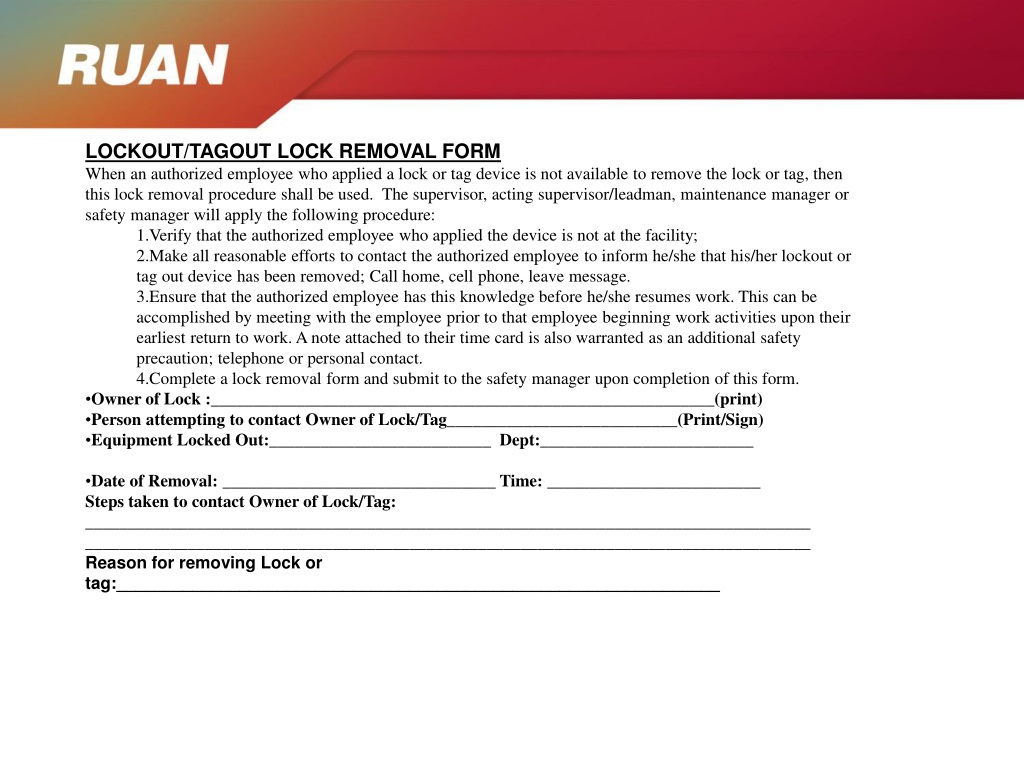
Can one person remove another’s lock? Only under strict procedures—like an emergency or through a documented “authorized removal” process with management and safety approval.
Do I need a separate LOTO procedure for every machine? Yes, if energy sources or isolation steps differ. Similar machines may share a procedure if risks are identical.
What happens if a LOTO device is damaged? It must be immediately replaced. Using broken or weakened locks compromises the entire system.
Is electronic lockout acceptable? Only if it provides equivalent protection to mechanical locks. Most facilities still use physical devices for reliability.
FAQ
What should you look for in Lockout Tagout Plan Template That Actually Works? Focus on relevance, practical value, and how well the solution matches real user intent.
Is Lockout Tagout Plan Template That Actually Works suitable for beginners? That depends on the workflow, but a clear step-by-step approach usually makes it easier to start.
How do you compare options around Lockout Tagout Plan Template That Actually Works? Compare features, trust signals, limitations, pricing, and ease of implementation.
What mistakes should you avoid? Avoid generic choices, weak validation, and decisions based only on marketing claims.
What is the next best step? Shortlist the most relevant options, validate them quickly, and refine from real-world results.