Workers are injured every year not because equipment fails, but because it's accidentally re-energized during maintenance. Electrical lockout tagout (LOTO) procedures exist to stop that. Yet, despite clear OSHA regulations, many organizations still rely on incomplete or outdated documentation. A well-structured electrical lockout tagout procedure PDF is more than a compliance checkbox—it's a frontline defense against arc flashes, electrocution, and equipment damage.
This guide breaks down what a high-quality LOTO PDF should include, how to use it effectively in real operations, and where most teams fall short—even when they think they’re compliant.
Why a Standardized Electrical LOTO PDF Matters
A lockout tagout procedure PDF serves three critical functions: standardization, accessibility, and audit readiness. Without a formalized document, workers may interpret safety steps inconsistently. For example, one technician might isolate only the main circuit breaker, while another knows to also disconnect control power and verify zero energy with a voltage tester. The difference can be life or death.
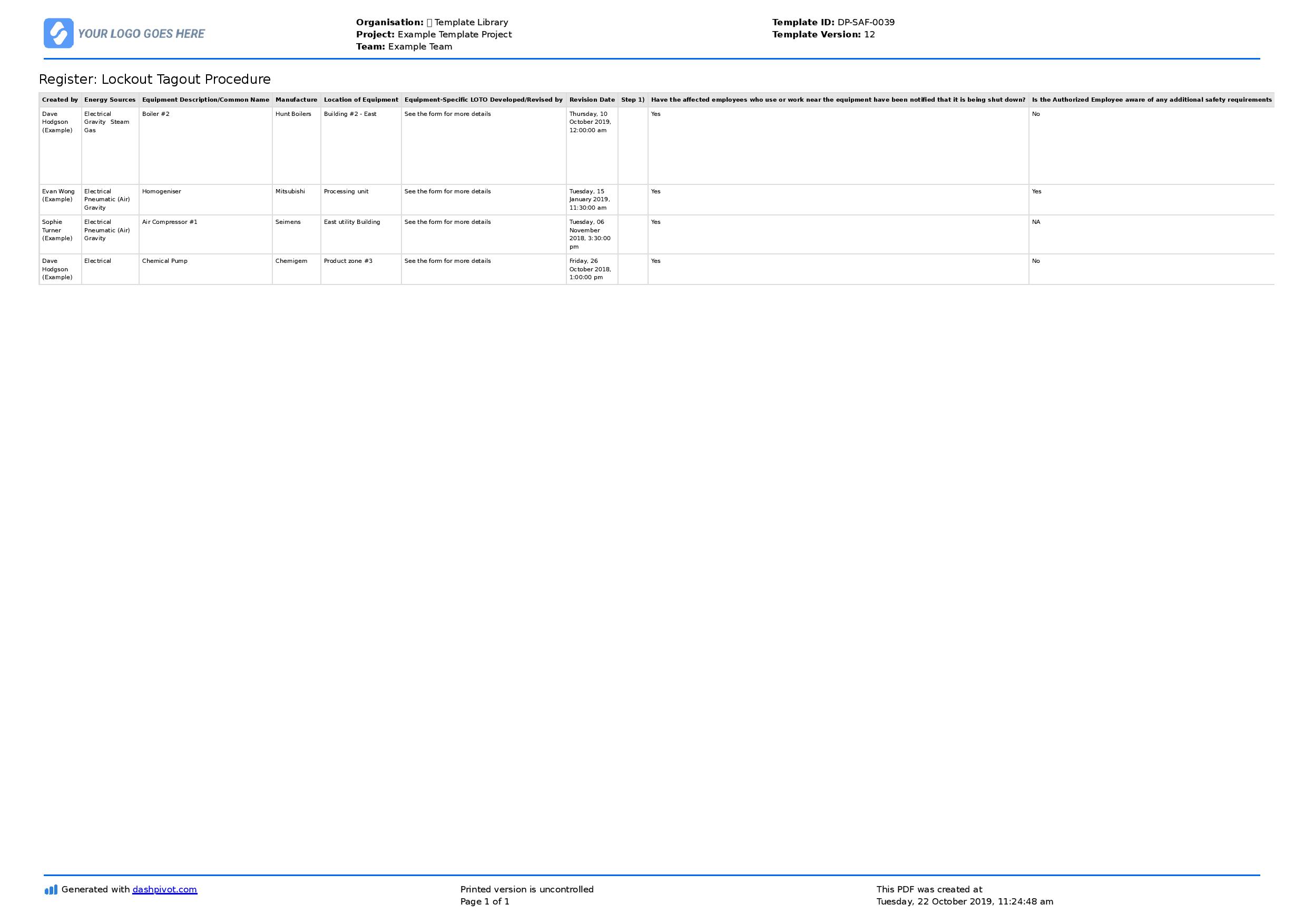
A solid electrical LOTO PDF ensures that every authorized employee follows the same sequence—every time. It also becomes crucial during OSHA inspections. According to OSHA 1910.147, employers must have documented energy control procedures for machines or equipment that could unexpectedly energize, start up, or release stored energy.
Real-World Consequence of Missing Documentation
In 2022, a manufacturing plant in Ohio faced a $180,000 fine after a maintenance worker was severely burned during a motor repair. Investigation revealed no up-to-date LOTO procedure for the equipment involved. The team had relied on verbal instructions and memory. The absence of a written, accessible electrical LOTO PDF was cited as a primary failure.
Core Elements of an Effective LOTO Procedure PDF
An effective electrical lockout tagout procedure PDF isn’t just a checklist slapped into a PDF. It must be specific, actionable, and equipment-tailored. Here’s what must be included:
1. Equipment Identification Clearly identify the machine or system. Use asset numbers, location codes, and electrical schematics if needed. Example: “HVAC Fan Motor #4, Roof Level, West Wing” rather than “Fan Motor.”
2. Energy Sources List all sources of electrical energy, including:
- Main power supply (e.g., 480V 3-phase)
- Control circuits (e.g., 120V AC)
- Stored energy (e.g., capacitors, UPS systems)
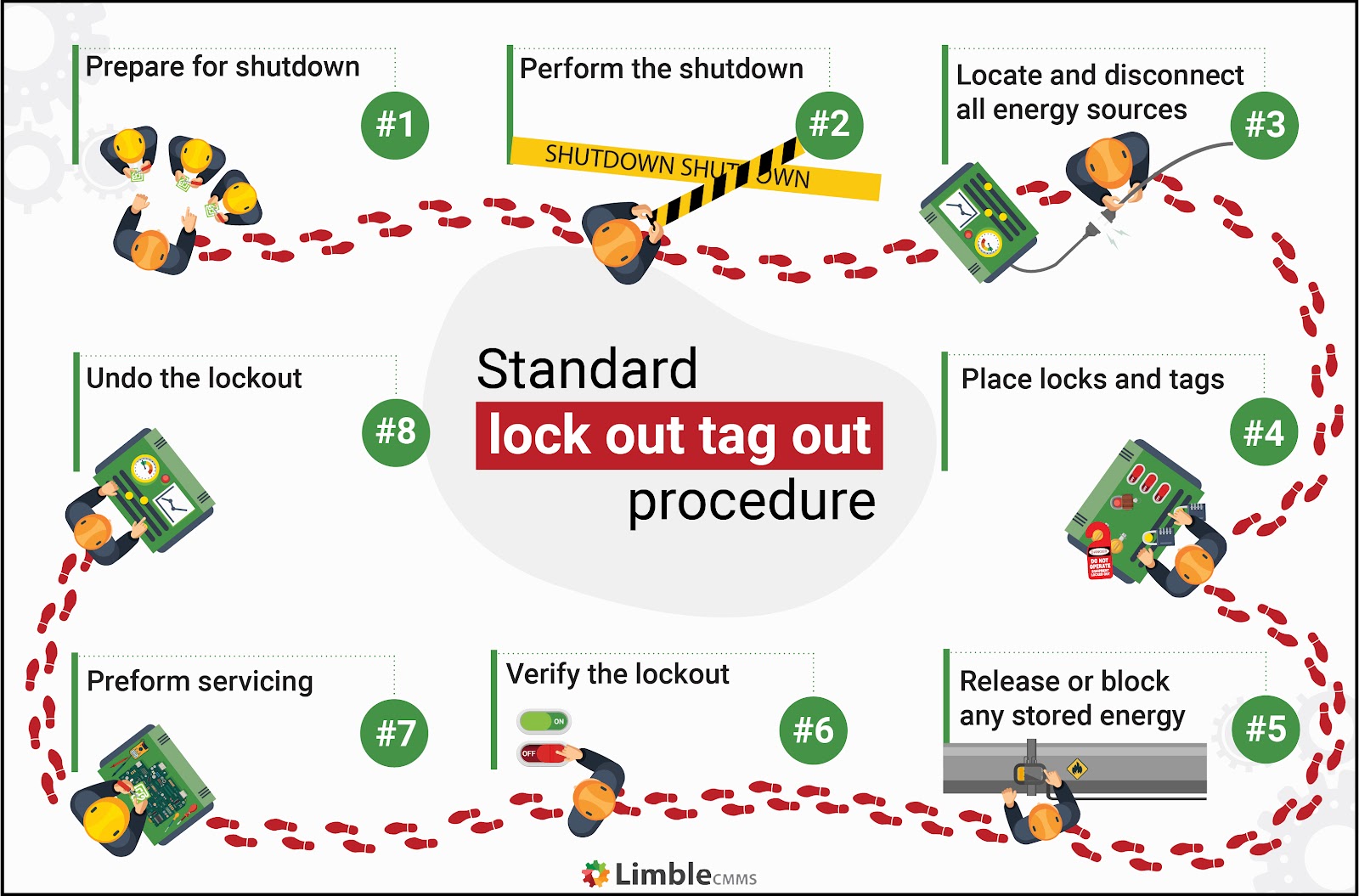
3. Step-by-Step Isolation Sequence Break down the shutdown process into numbered steps:
- Notify operations team.
- Shut down equipment via control panel.
- Open main disconnect—verify off.
- Isolate control power transformer.
- Apply lockout devices to both disconnects.
- Attach tag with worker name, date, reason.
- Test for zero energy using a rated voltage tester.
4. Verification Method Detail how zero energy is confirmed. Example: “Use a CAT III 1000V multimeter to test phase-to-phase and phase-to-ground at the terminal block.”
5. Group LOTO Instructions (if applicable) Specify how multiple workers apply locks, use lockout hasps, and verify re-energization only after all locks are removed.
6. Re-Energization Process Outline the restart steps, including:

- Confirming tools are removed
- Clearing the area
- Removing tags and locks
- Notifying operations
- Restoring power in reverse order
Common Gaps in LOTO Procedure PDFs
Even organizations with LOTO documents often miss critical components. These omissions create dangerous loopholes:
- Generic Templates: Using a one-size-fits-all PDF for all electrical panels. Reality: A 200A service panel requires different steps than a VFD motor starter.
- No Visual Aids: Text-only documents fail when workers need to locate isolators quickly. A good PDF includes labeled diagrams or photos of lock points.
- Outdated Information: Equipment changes, but the PDF doesn’t. One facility used a LOTO procedure for a machine that had been replaced three years prior.
- Missing Stored Energy Controls: Failing to address capacitors or backup power sources. A technician in Texas was shocked after a control panel re-energized from a capacitor bank—despite the main breaker being locked.
- No Review Date: Without a revision log or expiration date, workers can’t verify if the procedure is current.
How to Use a LOTO PDF in Daily Operations
A LOTO PDF should be more than archived on a server. It needs to be integrated into workflow:
Pre-Job Briefings Before maintenance, the authorized employee reviews the LOTO PDF with the team. They walk through the steps, confirm equipment ID, and verify required tools (e.g., lockout hasps, test meters).
Digital Access Printed binders get lost or damaged. Many companies now host LOTO PDFs on tablets or intranet portals, accessible via QR codes on equipment. Scanning the code pulls up the correct procedure instantly.
Training Reinforcement New hires study LOTO PDFs during onboarding. Supervisors quiz them on isolation steps for common machines. Example: “Show me how you’d isolate the main conveyor drive motor using this procedure.”
Where to Find Reliable LOTO Procedure PDF Templates
While OSHA doesn’t provide pre-built LOTO PDFs, several organizations offer customizable, compliant templates:
- OSHA.gov – Offers regulatory language and sample procedures you can adapt.
- NFPA 70E Resources – Provides electrical safety templates that include arc flash and LOTO alignment.
- Grace Technologies – Offers free downloadable LOTO PDFs with visual lock point guides.
- EHS Daily Advisor – Publishes industry-specific templates, including electrical panel isolation.
- LockoutTagout.com – Features editable PDFs with built-in compliance checklists.
Pro Tip: Always customize templates. Replace placeholder text with actual equipment names, voltage levels, and site-specific controls.
Creating Your Own Electrical LOTO Procedure PDF
Start by auditing all electrical equipment that requires service. Focus on items with multiple energy sources or high-risk exposure.
Step-by-Step PDF Creation Process
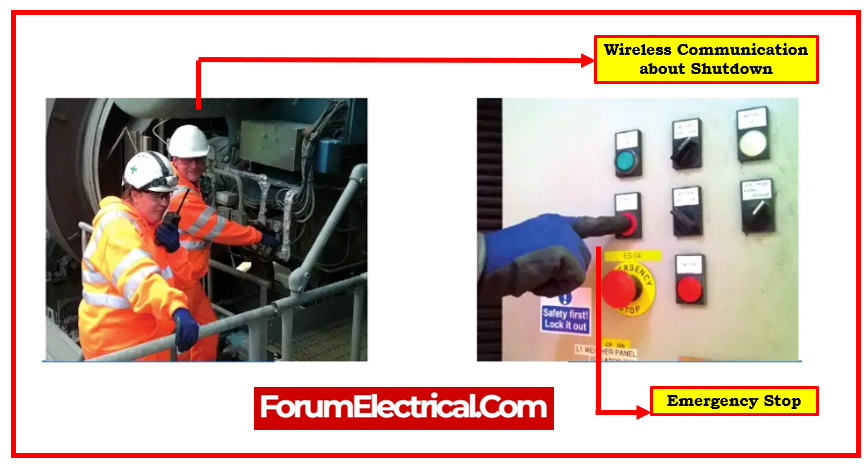
- Select Equipment – Prioritize high-voltage or frequently serviced units.
- Map Energy Sources – Consult electrical diagrams and talk to maintenance leads.
- Document Isolation Points – Take photos of disconnects, breakers, and lock points.
- Write Clear Steps – Use active voice: “Turn off the main breaker” vs. “The breaker should be turned off.”
- Add Verification Protocol – Specify test instruments and safe testing zones.
- Include Approval Sign-Off – Require safety officer and engineering review.
- Convert to PDF – Lock editing to prevent unauthorized changes.
- Distribute and Train – Ensure all authorized employees have access and understand it.
Use tools like Adobe Acrobat or free PDF editors to combine text, images, and forms into a professional document.
LOTO PDF vs. Digital LOTO Systems
While PDFs are essential, digital LOTO platforms are rising in high-risk facilities. Here’s how they compare:
| Feature | LOTO PDF | Digital LOTO System |
|---|---|---|
| Accessibility | On tablets or print | Cloud-based, mobile apps |
| Version Control | Manual updates | Automatic sync |
| Verification Tracking | None | GPS, timestamps, photo proof |
| Multi-User Locks | Static instructions | Real-time lock status |
| Audit Trail | Paper-based | Exportable logs |
For most small to mid-sized operations, a well-maintained LOTO PDF is sufficient. Large plants with rotating crews or complex energy systems benefit from digital integration—but still rely on PDFs as backup.
Mistakes That Undermine LOTO PDF Effectiveness
Even with a strong document, execution failures occur. Watch for these:
- Skipping Verification: A worker locks the disconnect but doesn’t test for voltage. Complacency kills.
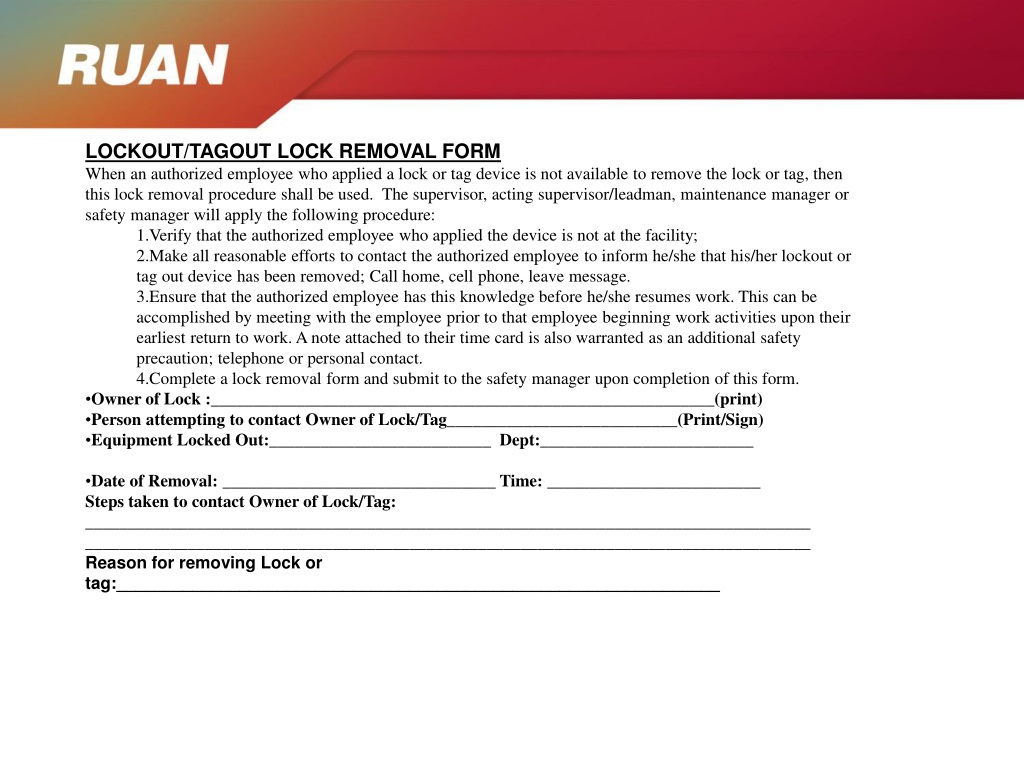
- Using Personal Locks Incorrectly: Sharing keys or leaving locks on after shift change.
- Tagging Without Locking: Relying only on tags, which provide no physical barrier.
- Failure to Update: An outdated PDF doesn’t reflect a new backup generator connection.
- Poor Language Clarity: Using jargon like “de-energize the PDU” without defining PDU (Power Distribution Unit).
One hospital reduced LOTO incidents by 70% simply by adding plain-language summaries and color-coded diagrams to their existing PDFs.
Actionable Steps to Improve Your LOTO PDF Today
- Audit Your Current Documents – Are they equipment-specific? Up to date?
- Add Visual Guides – Insert photos or diagrams of lock points.
- Include a Verification Checklist – Make the zero-energy test mandatory and documented.
- Set a Review Schedule – Update every 12 months or after equipment changes.
- Train with the PDF – Use it in toolbox talks and drills.
A strong electrical lockout tagout procedure PDF isn’t just paperwork. It’s a living document that protects lives. Treat it with the seriousness it deserves.
FAQ
Where can I download a free electrical lockout tagout procedure PDF? Reputable sources include OSHA.gov, NFPA resources, and safety vendors like Grace Technologies and EHS Daily Advisor. Always customize before use.
Do all electrical equipment need a LOTO PDF? Any equipment that requires servicing and has hazardous energy potential must have a documented procedure under OSHA 1910.147.
Can a LOTO PDF be stored digitally? Yes, and it’s encouraged. Digital access via tablets or QR codes improves compliance and speed.
Who should create the LOTO procedure PDF? Authorized employees, maintenance supervisors, and safety officers should collaborate, with final approval from EHS.
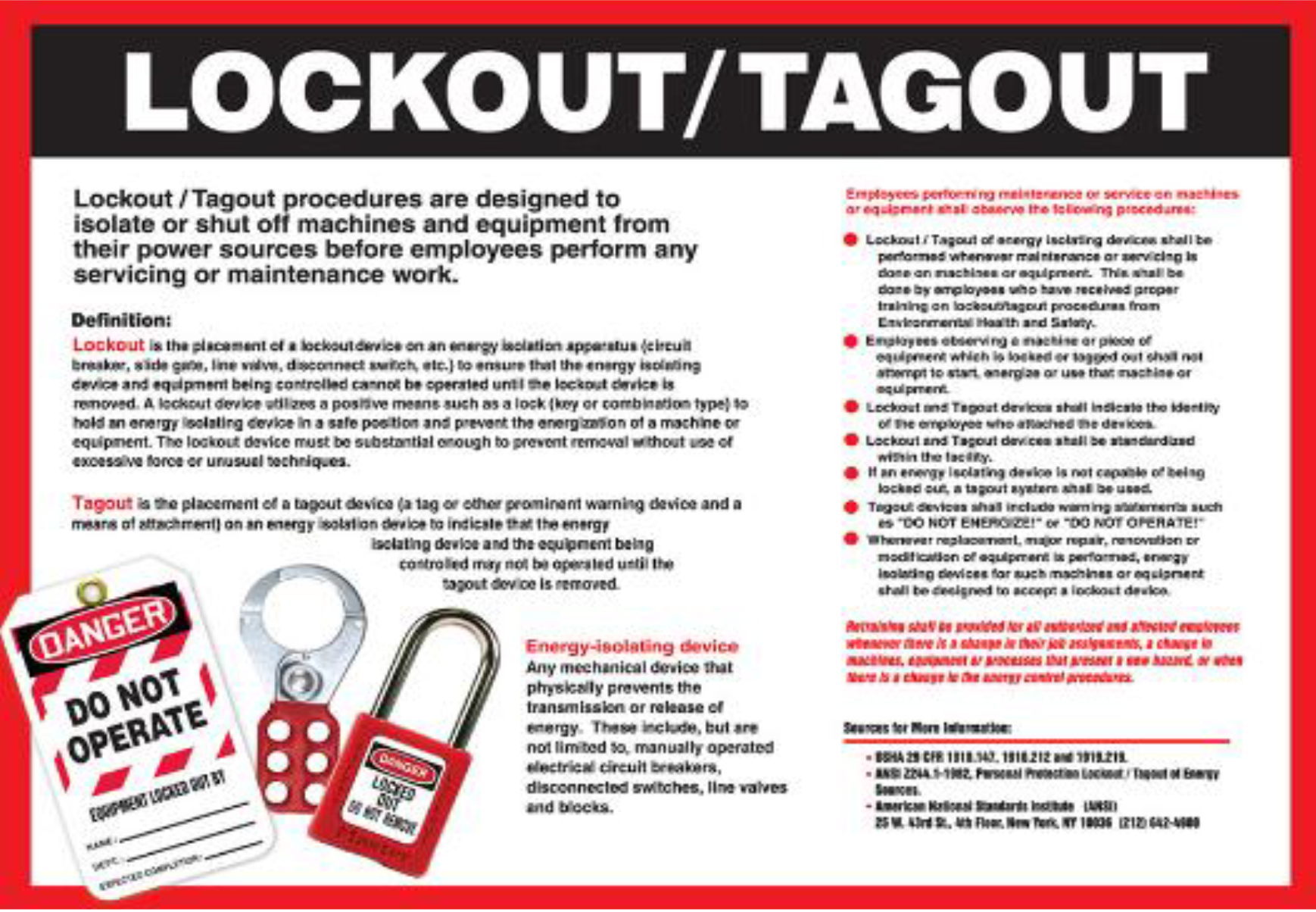
What’s the difference between lockout and tagout? Lockout uses physical devices (locks) to prevent energizing. Tagout uses warning tags. Lockout is required when possible; tagout alone is only permitted in specific cases.
How often should LOTO PDFs be reviewed? At least annually, or whenever equipment, processes, or personnel change.
Can I use a generic template for multiple machines? No. Each procedure must be specific to the equipment’s energy sources and isolation points.
FAQ
What should you look for in Electrical Lockout Tagout Procedure PDF Guide? Focus on relevance, practical value, and how well the solution matches real user intent.
Is Electrical Lockout Tagout Procedure PDF Guide suitable for beginners? That depends on the workflow, but a clear step-by-step approach usually makes it easier to start.
How do you compare options around Electrical Lockout Tagout Procedure PDF Guide? Compare features, trust signals, limitations, pricing, and ease of implementation.
What mistakes should you avoid? Avoid generic choices, weak validation, and decisions based only on marketing claims.
What is the next best step? Shortlist the most relevant options, validate them quickly, and refine from real-world results.